
Belgrade, Serbia
MR DESIGN STUDIO ®
Industrial Design · Graphic Design · 3D Modeling & 3D Rendering · 3D Animation · Website · Marketing · VR ·
Belgrade, Serbia
Be recognized.
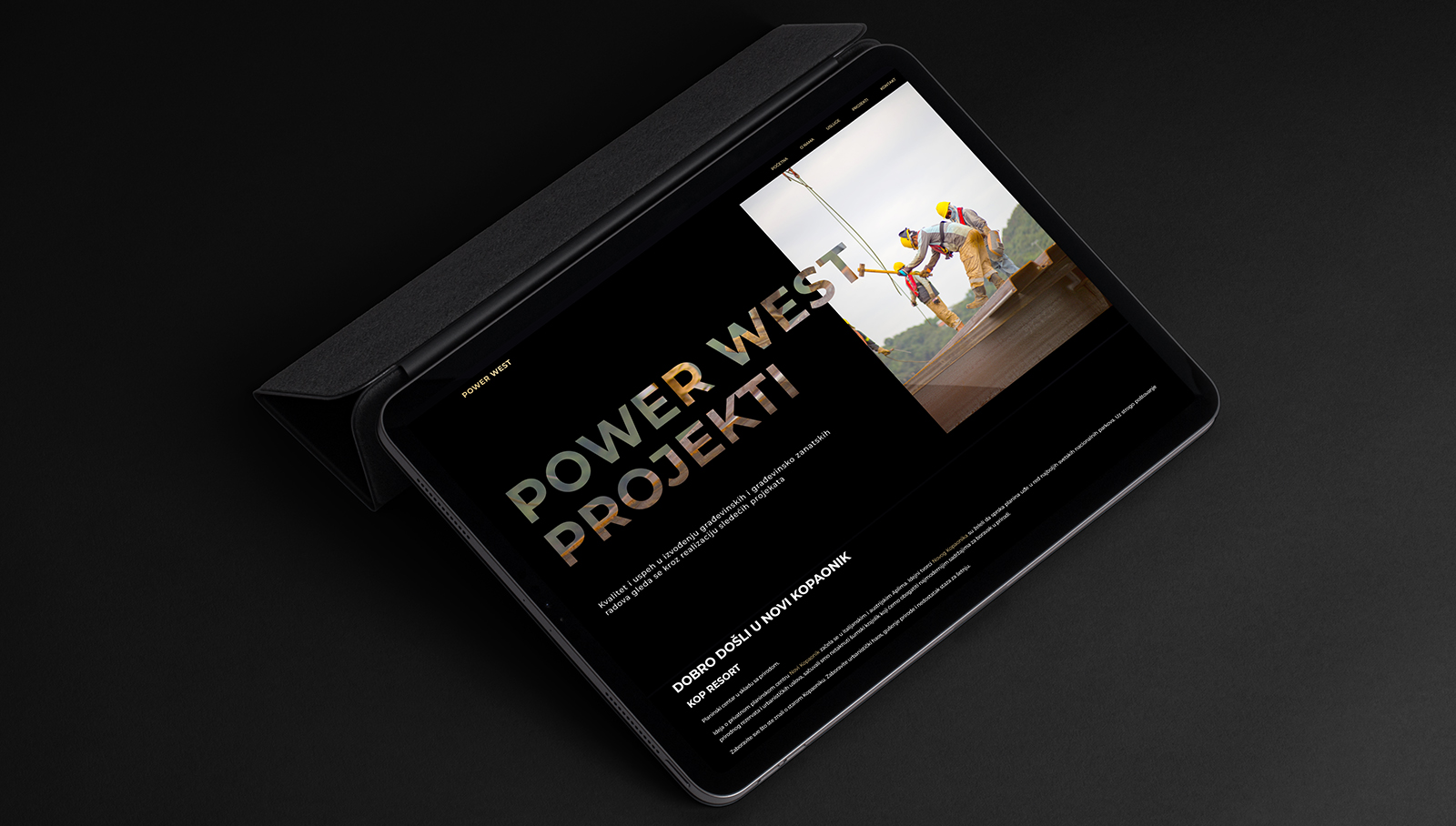
In today's digital age, a website becomes an indispensable tool for successful business operations and communication with the target audience. In this blog, we explore all aspects of website creation, functions, and importance, from various types to the significance of SEO optimization and the future of web development.
A website is like a digital showcase of your business. It is a virtual space that enables companies, individuals, and organizations to present themselves and their services worldwide. The function of a website surpasses mere informational purposes. It serves as a platform for interacting with users, providing useful information, presenting products and services, and creating a brand.
Websites come in various forms and sizes. There are several types of websites, each with its specific purpose and objective. Some of the most common types include:
1. Personal blogs and portfolios: These are websites where individuals share their personal thoughts, experiences, skills, and projects with the world.
2. Corporate websites: These sites serve as a company's digital business card. They provide basic information about the company, contact details, and often have a section for news and announcements.
3. E-commerce platforms: Online stores enable companies to sell products and services over the internet. They are often complex systems with user accounts, shopping carts, and secure payment methods.
4. News sites: These websites cover the latest news and information on various topics, providing readers with real-time updated information.

Website creation is a process that requires attention to many details. Here are the basic steps that constitute the website creation process:
1. Planning: Defining the purpose of the site, target audience, content, and functionality.
2. Designing: Creating the site's visual concept, including layout elements, colors, and fonts.
3. Development: Implementing the design into coding and creating site functionality.
4. Testing: Checking functionality, responsiveness, and site correctness on different devices and browsers.
5. Launch: Placing the site on the server and allowing users to access it.
How long does it take to create a website?
The required time depends on many factors, such as the number of pages, the complexity level of site functionalities, whether you have existing design or are creating one from scratch, etc. On average, a professional website development agency takes between one and four months to create a site from scratch to the final launch.
A website has multiple functions and roles in today's digital environment:
• Business representation: The website is a digital stand for presenting your business to the world. It provides information about your company, mission, vision, and values.
• Product and service sales: Online stores enable companies to sell their products and services to users worldwide.
• User information: Websites provide users with useful information about products, services, or topics of interest.
• Communication with users: The website is a platform for communicating with users through contact forms, comments, user forums, etc.
• Branding and marketing: The website helps in brand building through consistent design, logos, and content. It also allows for running digital marketing campaigns.
• Education and resources: Websites often provide educational content and resources such as e-books, tutorials, and videos.
In the digital age, where most users first search the internet to find information, a website becomes almost necessary. Your website is your digital business card and the first impression you make on users.
A website is not only reserved for large companies. Regardless of size, every company benefits from an online presence. Small businesses can use a website to stand out in the competition, while larger companies use websites to expand their influence and communicate with their audience.


Opening a company, do I need a website immediately?
The answer to this question depends on the nature of your business and target group. If you are opening a company that has the potential for a broad online audience, having an online presence from the beginning can be beneficial.
SEO (Search Engine Optimization) is the process of optimizing a website to improve its ranking on search engines like Google. This is crucial as most users enter the first few links.
First on Google
First place on Google is the holy grail of SEO optimization. Achieving this goal requires an overall strategy that includes competition analysis, content optimization, site technical changes, and a quality link-building campaign.
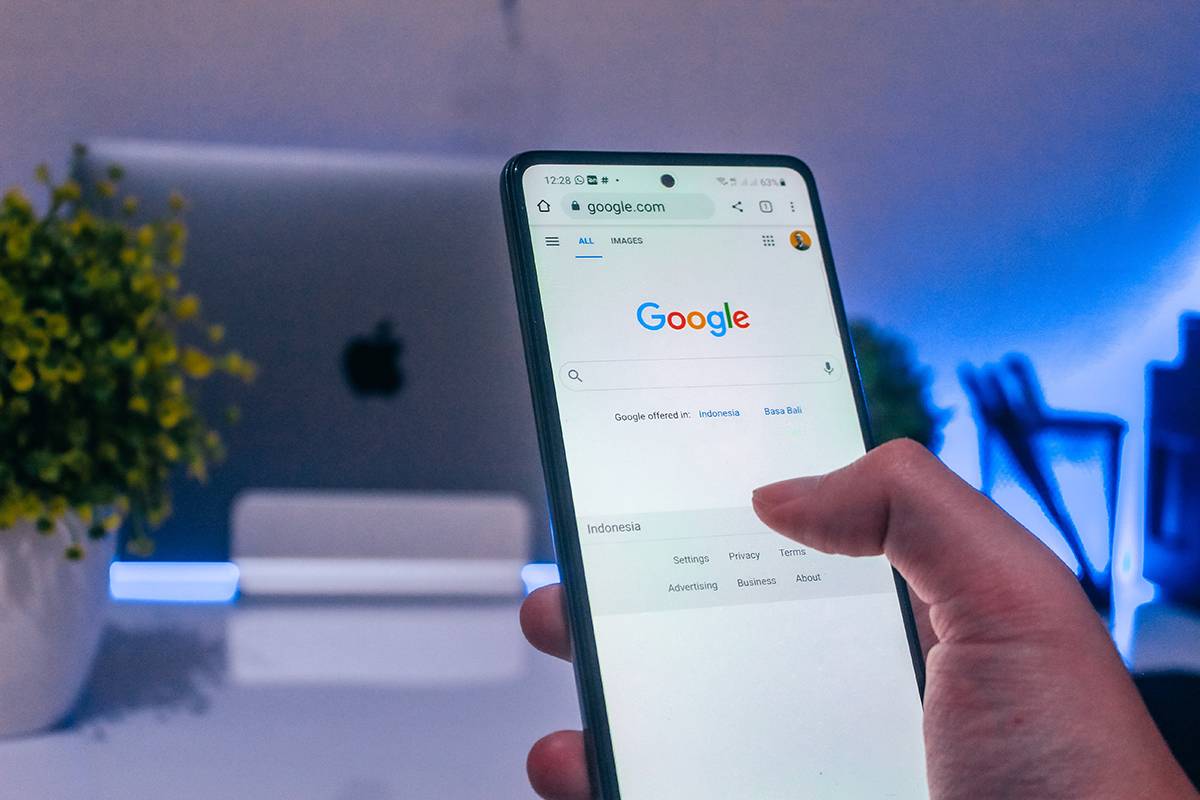
Why SEO optimization is essential
SEO optimization has a tremendous impact on your website's visibility on the internet. A good SEO strategy helps your site rank better on search engines, which in turn increases visits and potential customers.

The price of SEO optimization can significantly vary depending on factors such as project scope, competition in your industry, optimization goals, and the agency or expert providing services. Here's an overview of some typical factors and approximate prices:
Factors influencing the price of SEO optimization:
1. Site size: Larger sites with more pages require more time and resources for optimization, which can increase the cost.
2. Competition: If your industry is highly competitive, it may require more intensive SEO efforts to compete for high positions on search engines.
3. Optimization goals: Targeting a wide range of keywords and achieving high positions on different search engines may require additional resources and increase the cost.
4. Local vs. Global Optimization: Focusing on the local market may have lower costs compared to global optimization.
5. Agency or expert expertise: Prices also differ depending on the reputation and experience of the agency or individual providing the services.
Approximate prices:
• Monthly fee: Most SEO agencies and experts charge a monthly fee that can range from several hundred to several thousand euros, depending on the factors mentioned above.
• Project fee: Some agencies offer SEO optimization services as projects, where the price is negotiated in advance for a specific scope of work.
Payment methods:
• Monthly subscription: This is the most common payment method for SEO services. Clients pay a monthly fee for the agency to provide ongoing SEO services.
• Project-based: For smaller projects or specific tasks, agencies may offer a project-based payment model.
• Performance-based: In some cases, agencies or experts may offer payment based on achieved results, such as reaching certain positions on search engines.
Good SEO can save money in the long run because organic traffic increases without the need for constant investment in paid ads. Additionally, good rankings reduce the need to pay for pay-per-click (PPC) campaigns.
Example:
Let's assume you own a small online store selling clothing and currently invest 500 euros per month in paid ads to attract users to your site. You also have several hundred visitors per month coming from organic searches.
After hiring an SEO expert and implementing appropriate optimizations, you notice a gradual increase in organic traffic and better rankings for keywords on search engines. In the next 6 months, your organic traffic doubles, so now you have 1000 visitors per month from organic searches.
In this situation, as your organic traffic increases, your need for paid ads decreases. For example, if you previously spent 500 euros per month on ads, you might now be able to reduce that amount to 200 euros per month, as a larger number of visitors come through organic search.
This would mean that over these 6 months, you have saved 300 euros per month on ads, making a total of 1800 euros in savings. This is just a simplified example, and the actual savings can be more or less, depending on your specific circumstances.
Quality content is the cornerstone of every successful website. Regardless of the site's purpose, content is what attracts, retains, and engages visitors.
Text (Copy): Importance and Role
In a world where content has become a key element of communication, the text (copy) on your website plays a crucial role in attracting, informing, and engaging visitors. Textual content not only conveys information but also builds a brand, calls for action, and creates an emotional connection with the audience. Here are some key aspects of website text and tips for creating effective and impactful content.
The importance of text on the website:
• Communication with the audience: Text allows you to communicate directly with users, presenting your messages, offers, and values.
• Branding: Quality text helps in brand building. Consistent tone, style, and vocabulary contribute to your business's recognizability.
• Call to action (CTA): Through well-crafted calls to action, text encourages users to take the desired action, such as making a purchase, signing up, or contacting.
• Engagement: Compelling text engages visitors, keeps their attention, and encourages them to explore more content on the site.
Images and Video
Textual content isn't the only type that attracts users. Images and video materials are equally important for enriching the user experience on the website.
Video Materials: Video content has the power to quickly grab attention and convey complex information in an easy and engaging way.

Why quality content matters
Quality content not only attracts visitors but also helps in building trust with them. If your site provides valuable content that addresses their needs, there's a higher chance of users returning.
Responsive Design
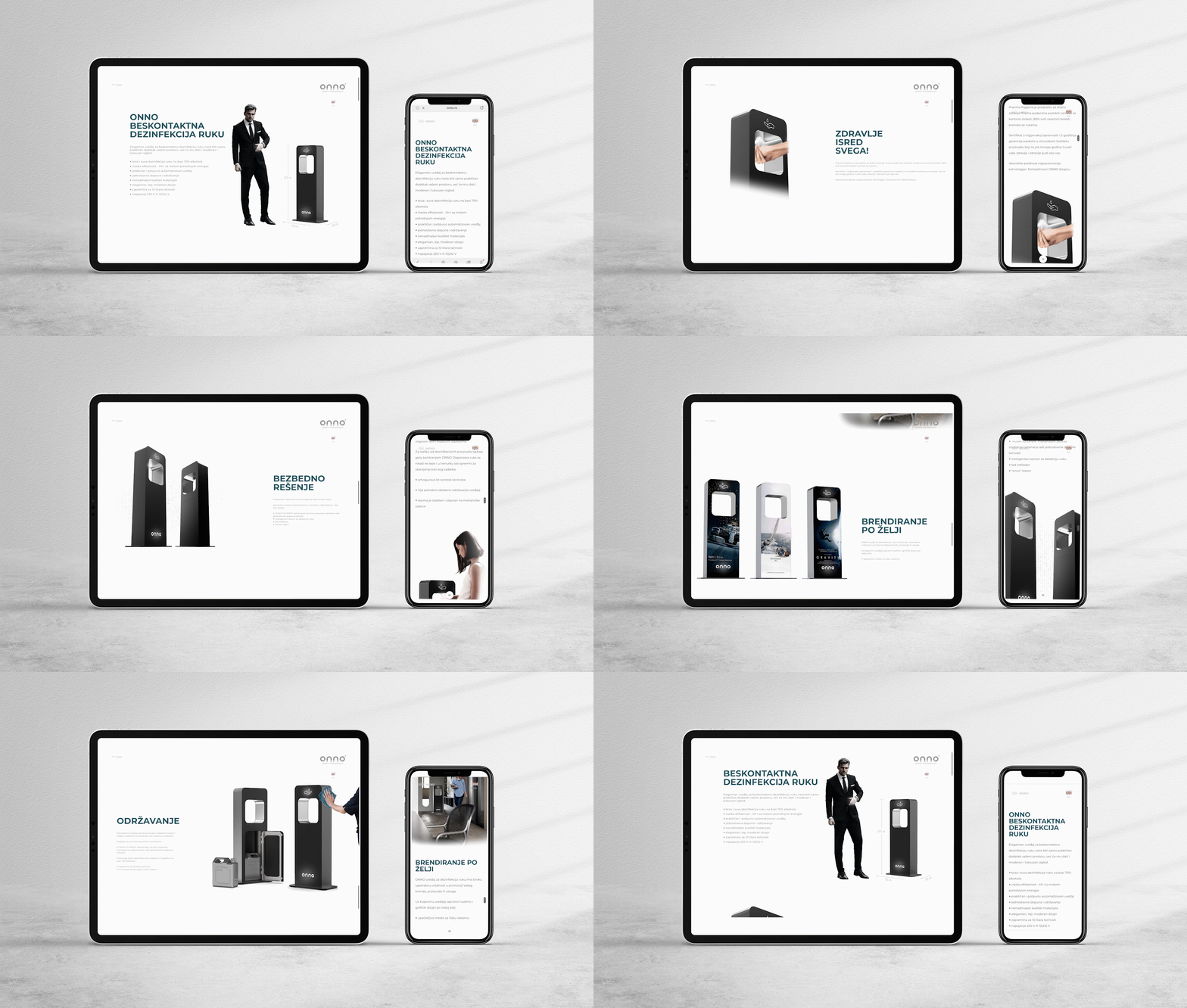
Responsive design is adapting the site's appearance to different devices and screens. Considering the increasing use of mobile devices, responsiveness is imperative as it ensures a user experience regardless of the device.
When deciding on website creation, you face a choice between custom design and ready-made templates. Both approaches have their advantages and disadvantages, but custom design often brings more long-term benefits. Here, we'll consider both options and highlight why custom design can pay off more in the long run.
Template Websites:
Ready-made templates are pre-designed structures that can be customized by adding your content. The advantages of this approach include:
• Quick implementation: Templates are already designed and ready to use, allowing you to set up your site quickly.
• Lower costs: Ready-made templates are usually cheaper than custom designs, appealing to those with smaller budgets.
• Simple maintenance: Updates and maintenance can be simpler as templates are already optimized for functionality.
However, template websites have their limitations:
• Lack of originality: Since many sites can use the same templates, your site may look generic and challenging to differentiate.
• Limited customization: Although templates can be adjusted, your creative freedom is limited by predefined structures.
Custom Design:
Custom design involves creating a unique design and functionality tailored to your business's specific needs. Here's why custom design can bring more benefits in the long run:
• Originality and branding: Custom design allows you to create a completely unique online presence that stands out.
• Greater flexibility: You have more freedom to implement specific functionalities and design elements that better align with your business goals.
• Better optimization: Allows more detailed SEO optimization and customization of your site's performance.
• Long-term investment: While it may require more initial investment, custom design brings long-term benefits. Your site will better reflect your brand, contributing to higher recognizability and conversions.

Cheap websites can be tempting, but they should be carefully evaluated. Low prices often mean limited options and a less professional appearance. Investing in a quality site brings long-term benefits.
Is It Worth Investing in a Quality Website?
Investing in a quality website can have long-term positive effects on your business. Better user experience, higher visibility on search engines, and increased conversions make this investment worthwhile.
Significant differences in website development costs
Differences in website development costs arise from various factors such as design complexity, the number of functionalities, specific client requirements, and the expertise of the team working on the project.
Why spend more money on a website
Spending more money on a professionally made website can be a decision that pays off. Quality design, functionalities, and SEO optimization contribute to a better user experience and higher conversions.
Maintaining a website is a continuous process. Updating content, adding new information, and regularly monitoring performance help maintain site relevance.
New content and user engagement
Regularly adding new content makes your site more interesting for users and helps retain the existing audience. This also aids in SEO optimization.
Better Ranking Through Maintenance
Regular site maintenance can improve its SEO ranking. Updated content, loading speed, and technical optimization positively impact search engine ranking.
Why Have a Blog on the Website
Blogs provide a platform for sharing useful information and resources with the audience. Additionally, they enhance SEO optimization as they often contain relevant keywords.
Blog and News on the Website
Blogs and news contribute to the dynamism of the site and provide valuable content to users. Blogs allow companies to showcase expertise in their industry, while news is used for announcements, promotions, and information.
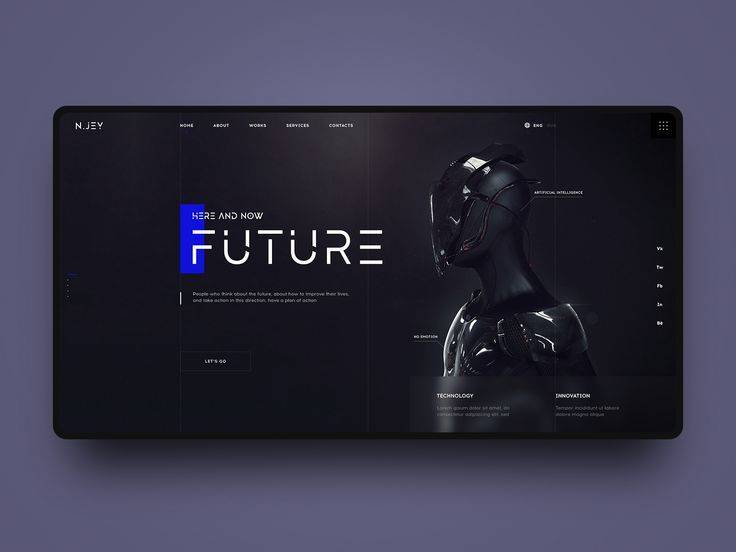
The future of web development promises many innovations. Artificial intelligence will play an increasingly significant role in personalizing user experiences, while technologies like virtual and augmented reality will add depth to interactions on the web.
Understanding all aspects of website creation, from types and functions to SEO optimization and future trends, makes it clear that a website is no longer a luxury but an essential part of business in the digital age. Regardless of a company's size and industry, a website becomes a bridge connecting the company to its users worldwide. If you aim to effectively communicate with your target audience, promote your products or services, and achieve digital influence, creating a professional website becomes imperative.